
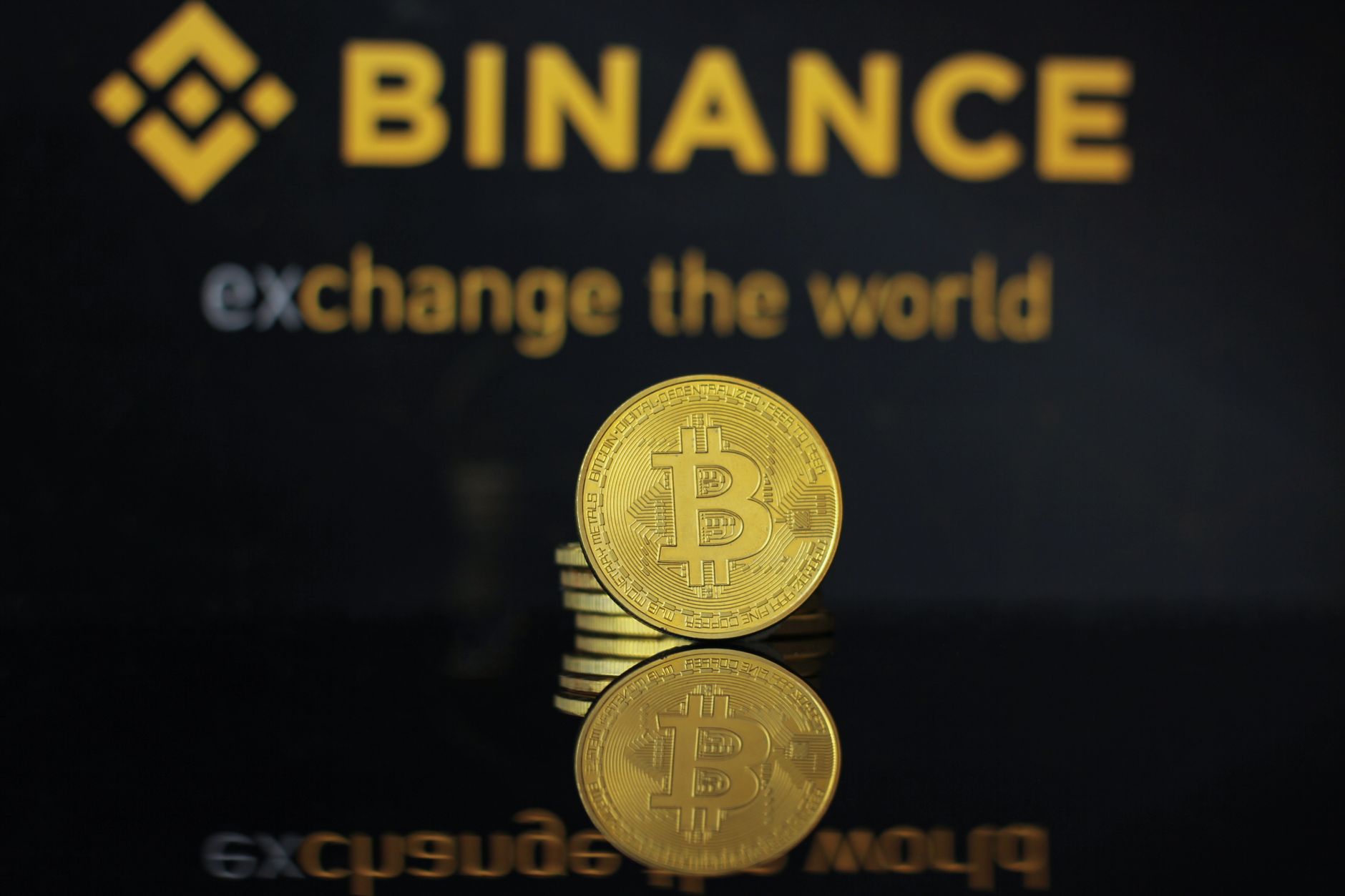
Binance hack seizure: Is it the right move for justice?
The Binance hack seizure is a major development in the ongoing battle against cryptocurrency crime. The DOJ’s move to seize $1.2 billion highlights the seriousness of the situation.
Understanding the Binance Hack
The recent decision by the Department of Justice (DOJ) to seize $1.2 billion connected to the Binance hack has raised significant questions regarding justice and the effectiveness of such measures. In May 2019, Binance, one of the world’s largest cryptocurrency exchanges, experienced a major security breach that resulted in the theft of approximately 7,000 Bitcoins, valued at a staggering $40 million at the time. This incident marked a pivotal moment in the cryptocurrency industry, highlighting vulnerabilities and the need for enhanced security protocols.
The Binance hack was not only a substantial financial loss for the exchange but also exposed the risks faced by users and investors in a largely unregulated environment. Following the hack, the cryptocurrency community witnessed an influx of scams, including the recent FaceStealer scam, which aimed to exploit unsuspecting victims by stealing their credentials.
The DOJ’s move to seize funds related to the Binance hack is viewed by some as a necessary step to combat cybercrime and deter future attacks. However, others question whether this approach is effective or if it simply complicates the recovery process for affected users. As the debate unfolds, the implications of the Binance hack seizure will likely influence future regulatory decisions within the cryptocurrency sphere.
DOJ Actions Explained
The recent actions taken by the Department of Justice (DOJ) regarding the Binance hack seizure have raised numerous questions about the implications for justice and cryptocurrency regulation. The DOJ announced its intention to seize approximately $1.2 billion linked to the notorious hacking event, which has been a focal point for law enforcement efforts aimed at curbing cybercrime.
This seizure is part of a broader strategy to dismantle criminal enterprises that exploit digital currencies for illicit gains. The DOJ has emphasized the necessity of disrupting schemes like the FaceStealer scam, which capitalizes on stolen credentials and personal information. In doing so, authorities aim to send a clear message that such activities will not be tolerated.
Many experts argue that these actions represent a significant milestone in the fight against cybercrime, particularly in the realm of cryptocurrencies. However, critics contend that the seizure could have unintended consequences, such as deterring legitimate innovation within the crypto space. They argue that while law enforcement’s efforts to reclaim stolen assets are commendable, a balanced approach is essential to foster a healthy environment for technological advancement.
Ultimately, the outcome of the Binance hack seizure could set a precedent for how similar cases are handled in the future, shaping the landscape of cryptocurrency regulation.
Impact on Cryptocurrency Market
The recent Binance hack seizure by the Department of Justice (DOJ) has sent ripples through the cryptocurrency market, raising questions about its long-term implications. Investors and analysts are closely monitoring the effects of this unprecedented move.
Initially, the news sparked a wave of volatility, with prices for major cryptocurrencies experiencing fluctuations. Some market participants expressed concerns that such actions could deter potential investors, while others believe it could enhance the legitimacy of the industry.
- Short-term instability: Following the announcement, prices of Bitcoin and Ethereum briefly dipped, reflecting uncertainty among traders.
- Long-term confidence: Conversely, some experts argue that the DOJ’s intervention might restore faith in regulatory frameworks, potentially attracting institutional investment.
- Increased scrutiny: The seizure highlights the ongoing scrutiny of cryptocurrency exchanges, which may lead to stricter regulations in the future.
Ultimately, the Binance hack seizure represents a significant moment for the cryptocurrency industry. Stakeholders will need to navigate the evolving landscape as the DOJ’s actions unfold, balancing the need for security with the desire for innovation and growth in this burgeoning market.
FaceStealer Scam Overview
The FaceStealer scam, a significant player in the realm of cryptocurrency fraud, has recently come under scrutiny following the Department of Justice’s (DOJ) decision to seize assets linked to the Binance hack. This scam is notorious for its ability to exploit unsuspecting victims by stealing their digital credentials and private information, leading to unauthorized access to their cryptocurrency wallets.
Victims often find themselves in precarious situations, losing substantial amounts of money due to the sophisticated tactics employed by the scammers. The FaceStealer scam operates by luring individuals through phishing schemes, fake websites, and misleading advertisements. Once victims provide their information, the scam artists quickly drain their wallets, often leaving them with little hope of recovery.
The DOJ’s actions to seize $1.2 billion related to the Binance hack signal a concerted effort to disrupt such fraudulent activities, including the FaceStealer scam. This move is seen as a critical step in restoring confidence in the cryptocurrency market, where scams like FaceStealer have proliferated in recent years.
As authorities tighten their grip on digital criminal activities, the question remains: will these measures effectively deter future scams and bring justice to those affected?
Legal Implications of Seizures
The recent DOJ actions regarding the Binance hack seizure have raised numerous legal implications that could reshape the landscape of cryptocurrency regulation. As the government seeks to reclaim $1.2 billion linked to the illicit activities, questions arise about the legality of such seizures and their potential consequences for the crypto market.
One of the primary legal considerations involves the balance between law enforcement and the rights of individuals and entities involved. Critics argue that aggressive seizure tactics could undermine due process and create a chilling effect on innovation in the cryptocurrency space. Specifically, the seizure of funds associated with the Binance hack highlights the need for clear legal frameworks governing digital assets.
Moreover, the DOJ’s actions may set a precedent for future cases involving cryptocurrency-related crimes. As regulations continue to evolve, courts will need to interpret existing laws in the context of rapidly changing technology. This may lead to a patchwork of legal interpretations as different jurisdictions tackle similar issues.
In addition, the Binance hack seizure may encourage other regulatory bodies to adopt similar approaches, potentially leading to stricter enforcement actions against suspected fraud and cybercrime in the crypto industry. This shift could significantly impact how investors perceive the risks associated with digital currencies.
Recovery of Stolen Funds
The recent actions taken by the Department of Justice (DOJ) to seize $1.2 billion linked to the Binance hack have raised questions about the recovery of stolen funds and the broader implications for victims. The seizure is significant as it represents one of the largest recoveries of cryptocurrency stolen through cybercrime.
Victims of the Binance hack are hopeful that this move will pave the way for the return of their lost assets. However, the process of recovering these funds can be complex and lengthy. Experts suggest that several factors will influence the success of fund recovery, including:
- Tracing the Funds: Authorities must trace where the stolen assets have gone and how they can be reclaimed.
- Legal Hurdles: The legal framework surrounding cryptocurrency and asset seizure can complicate the recovery process.
- Market Dynamics: Fluctuations in the cryptocurrency market may affect the value of the seized funds.
While the DOJ’s seizure efforts mark a proactive step towards justice, the question remains: is the Binance hack seizure the right move to ensure that victims see their money again? The coming months may provide clearer answers as recovery efforts progress.
Public Reaction to DOJ’s Move
The recent decision by the Department of Justice (DOJ) to seize $1.2 billion linked to the Binance hack has sparked a significant public reaction. Many cryptocurrency enthusiasts and investors are divided on whether this move is justified or if it sets a concerning precedent for future regulatory actions.
Supporters of the seizure argue that it is a necessary step in restoring trust in the cryptocurrency market. They believe that holding accountable those involved in the hack is crucial for ensuring justice and deterring similar cybercrimes in the future. One user stated, “This seizure sends a clear message that the government is serious about tackling cyber theft.”
Conversely, critics express concern that such actions may stifle innovation and push legitimate businesses away from the United States. Some commentators warn that aggressive regulatory moves could lead to a chilling effect on the burgeoning cryptocurrency sector. “We need to find a balance between regulation and innovation,” one investor noted.
As the public grapples with these conflicting views, the broader implications of the Binance hack seizure remain to be seen. The case serves as a pivotal moment in the ongoing dialogue about how law enforcement should navigate the complexities of the digital currency landscape.
Future of Crypto Regulations
The recent Binance hack seizure by the Department of Justice (DOJ) has sparked a broader conversation about the future of cryptocurrency regulations. As regulatory bodies around the world grapple with the evolving landscape of digital assets, the actions taken by the DOJ may set a significant precedent.
Experts suggest that this seizure could lead to more stringent regulations aimed at bolstering security and protecting consumers. Some key points include:
- Increased Oversight: Regulatory agencies might implement stricter guidelines for cryptocurrency exchanges to prevent similar incidents in the future.
- Enhanced Compliance: Exchanges may face more rigorous requirements for anti-money laundering (AML) practices and Know Your Customer (KYC) protocols.
- Impact on Innovation: While some believe that tighter regulations could stifle innovation within the crypto space, others argue they are necessary for long-term sustainability.
As the dust settles from the DOJ’s actions, industry stakeholders are closely monitoring how these developments will influence regulatory frameworks globally. The balance between fostering innovation and ensuring security will be critical in shaping the future of cryptocurrency.
The recent Binance hack seizure has raised questions about the effectiveness of such measures in achieving justice for victims. Critics argue that the Binance hack seizure may not address the root causes of cybersecurity vulnerabilities in the cryptocurrency space.
Photo by Bastian Riccardi on Pexels
References
You might also like



One thought on “Binance hack seizure: Is it the right move for justice?”