Tokenizing Traditional Equities – Bringing Wall Street to Web3
From static to seamless—how equity markets are evolving for a decentralized future.
The shake-up we didn’t see coming.
Wall Street might be decades old, but the winds of change are blowing in from an unexpected direction. Forget IPO roadshows and endless back-office reconciliation. The future of public equities might just be programmable, borderless, and blockchain-based. Tokenization—once a buzzword limited to crypto circles—is now making its way into the suit-and-tie world of traditional finance and fast.
Imagine owning a fraction of a Fortune 500 company with the click of a button. Or settling a trade in seconds instead of days. Now, imagine doing all of that without geographic or institutional barriers. That’s the promise of tokenizing traditional equities: unlocking liquidity, increasing access, and dragging capital markets—kicking and streaming—into the digital age.
And while this shift won’t erase existing systems overnight, it’s poised to change how we think about ownership, trading, and transparency forever.
What Is Tokenization? A Quick Primer

Filename: tokenization-cryptocurrency-elements
Alt-Text: Illustrations of cryptocurrency elements such as coins, mining, wallets, and blockchain apps.
Caption: Tokenization converts traditional assets into digital units, supported by blockchain-based systems like wallets, smart contracts, and secure nodes.
Tokenization refers to the process of converting a real-world asset—like a stock, bond, or piece of real estate—into a digital token on a blockchain. Each token represents a claim to the underlying asset, enabling decentralized technology to track, trade, and manage ownership.
In the case of traditional equities, tokenization allows publicly traded shares to exist on-chain, supported by smart contracts and digital custody infrastructure. While the core asset remains governed by conventional regulations, its digital form unlocks flexibility and automation that legacy systems weren’t designed to support.
This transformation lays the foundation for a more transparent, programmable, and globally accessible financial system—built to match the speed and scale of today’s digital world.
Why Tokenize Equities in the First Place?
At first glance, tokenizing public equities might seem like a high-tech twist on a system that already works. After all, public markets are liquid, regulated, and globally interconnected—so why fix what isn’t broken?
But look beneath the surface, and you’ll find inefficiencies that add cost and complexity. Today’s market relies on layers of intermediaries—clearinghouses, custodians, transfer agents—each introducing friction and delays. Settlement cycles often take two days (or more), tying up capital and exposing trades to risk during that window.
Tokenized equities streamline this process by operating on blockchain infrastructure. Transactions are recorded in real-time, minimizing reconciliation and settlement delays. More importantly, they introduce built-in logic for compliance and governance, creating opportunities for automation that legacy platforms simply can’t match.
It’s not just about speeding things up—it’s about redesigning how ownership is issued, tracked, and transferred in the digital age.

Filename: blockchain-technology
Alt-Text: Blockchain nodes and data flow across a decentralized network.
Caption: Blockchain infrastructure underpins the tokenization of traditional equities, creating secure and programmable digital ownership.
The Web3 Advantage: More Than Technology
Tokenizing equities isn’t just about efficiency gains—it’s about embracing the Web3 mindset: radical transparency, decentralization, and user-first access. This shift moves traditional finance from closed, permissioned systems to programmable, interoperable ecosystems.
By transitioning equities onto blockchain rails, institutions can:
- Cut dependence on intermediaries and reduce operational costs
- Automate asset servicing, including dividend distribution
- Bake compliance and governance directly into smart contracts
- Enable cross-platform interoperability for smoother asset flows
This leap from legacy infrastructure to Web3-native systems opens the door to a new class of innovative investment solutions—ones that are more inclusive, secure, and aligned with a digitally connected world.
New Possibilities: Global Access, Fractional Trading, and Always-On Markets
Tokenizing traditional equities doesn’t just tweak operations—it redefines investor access altogether.
Here’s what that looks like in practice:
- Global investor inclusion: Investors in emerging markets can now gain exposure to blue-chip equities without local market access barriers or institutional gatekeeping.
- 24/7 trading availability: Unlike stock markets that shut down for weekends and holidays, blockchain-based equities can be traded at any time—just like cryptocurrencies.
- Fractional investing: Instead of buying one full share of an expensive stock, users can own 0.01 of it. This makes high-profile assets more accessible to retail investors and younger demographics.
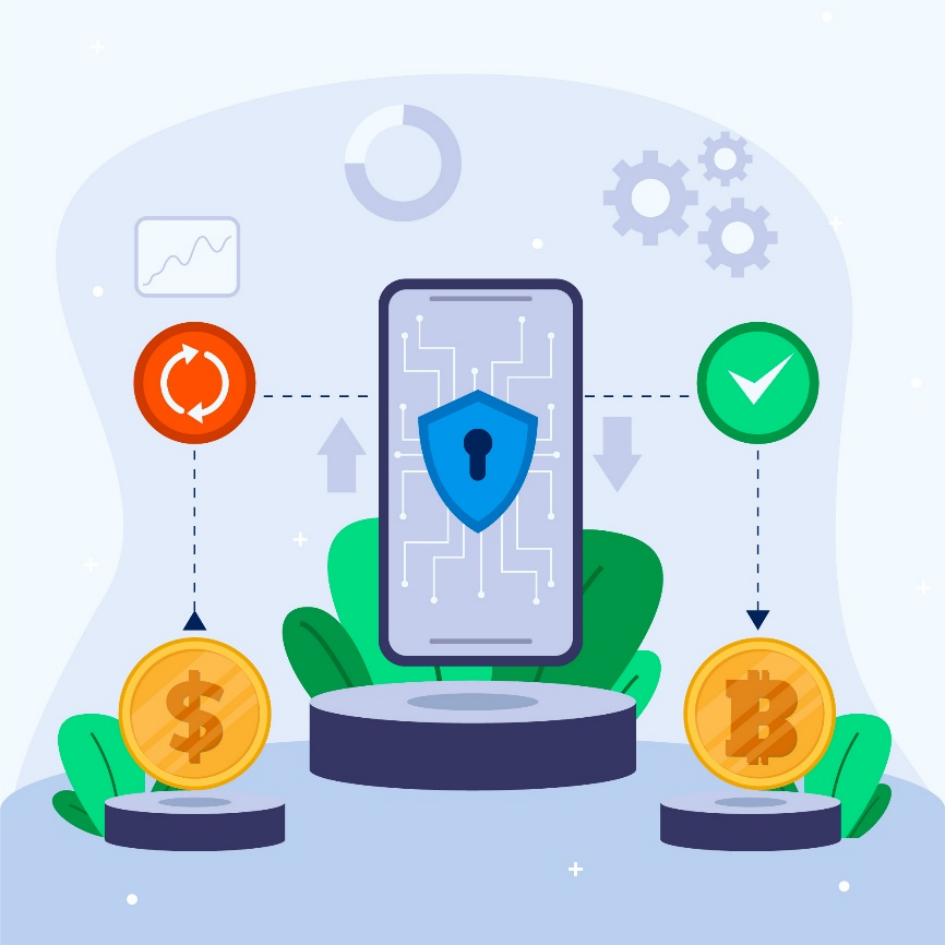
Filename: secure-crypto-assets
Alt-Text: Secure crypto exchange interface showing tokenized asset transfer between digital wallets.
Caption: Tokenized equities enable fractional investing and secure access via mobile-friendly, decentralized platforms.
These benefits aren’t just nice-to-haves—they’re foundational for creating more inclusive and agile financial ecosystems. And that’s where blockchain and digital asset consulting become crucial: helping institutions migrate safely, strategically, and in compliance with local laws.
Challenges to Consider Before Mainstream Adoption
As with any major innovation, tokenized equities come with real-world hurdles—both technical and regulatory.
While the vision is compelling, financial regulators are still catching up. Jurisdictions differ in classifying and taxing tokenized assets, leaving market participants in a compliance gray zone. There’s also the challenge of linking blockchain systems with traditional infrastructure without creating fragmentation or new vulnerabilities.
Key roadblocks include:
- Secure custody and investor protection frameworks
- Cybersecurity risks and smart contract vulnerabilities
- Institutional onboarding without compromising security
- Resistance from legacy stakeholders invested in the status quo
This is where tailored, compliant digital asset consulting becomes essential. Successfully bridging legacy systems with Web3 infrastructure requires both strategic foresight and regulatory fluency—qualities only seasoned blockchain advisory partners can deliver.

Filename: business-person-futuristic-business-environment
Alt-Text: Business executive analyzing digital financial markets from a high-tech trading floor
Caption: Institutional adoption of tokenized assets requires both foresight and infrastructure that supports security, scalability, and compliance.
The Road Ahead: A Smarter, More Inclusive Equity Market
Tokenizing traditional equities isn’t just a technical upgrade—it’s a fundamental shift in how the world approaches ownership, liquidity, and capital access. While institutional players weigh risks and regulators refine their frameworks, the direction of travel is clear: toward a more open, programmable, and responsive equity market.
This is a chance for forward-looking firms to lead the next wave of innovation. Whether it’s enabling cross-border trading, engaging new investor classes, or reducing settlement friction, the opportunities are real—and rising fast.
Success in this space won’t just come from understanding blockchain—it’ll come from executing the right digital asset strategy. Partnering with experienced digital asset consulting firms can make the difference between early adoption and costly missteps.
Ready to explore the possibilities of tokenized equities?
Kenson Investments offers customized digital asset consulting solutions to help you confidently navigate the evolving world of tokenized finance. Reach out to their team to learn how your business can lead in this new era of equity markets—securely, legally, and at scale.About the Author
The author is a fintech writer and blockchain strategist with a passion for demystifying digital finance. With a background in financial innovation and decentralized technologies, they specialize in breaking down complex trends like tokenization, DeFi, and crypto asset management into actionable insights. When not writing, they’re tracking the next frontier of Web3.

Related Posts

Manage Tenants Efficiently with No-Cost Landlord Tools
What are the top 10 challenges or opportunities for businesses in adapting to remote work and digital transformation?